Why Local Tech Resilience Matters More Than “Smart City” Hype

white and blue glass building

Milton Keynes is often described as a test lab for the future: grid roads, logistics hubs, electric vehicles, sensors and sprawling business parks. That image is useful up to a point, but it can also obscure the less glamorous systems that keep a town running. Behind every eye-catching innovation, ordinary technology does the heavy lifting: phones routing calls properly, laptops connecting at the first attempt, shared files still there on a Tuesday morning.

That matters because modern local economies rarely fail in dramatic, science-fiction style. They falter through smaller interruptions. A dental practice loses access to records. A warehouse cannot print dispatch labels. A charity’s ageing PCs slow everything to a crawl. A café’s card machine drops out just before the lunch rush. None of this makes headlines, yet all of it shapes whether a place feels efficient, frustrating or quietly dependable.

Seen that way, discussions around IT support Milton Keynes are as much about civic texture as business convenience. Good support forms part of the invisible scaffolding of daily life, especially in places where small firms, public-facing services and busy supply chains overlap. It is not glamorous, but most things that make a town function well are not.

The invisible layer people notice only when it breaks

People tend to treat technology support as a back-room concern. In practice, it has a public effect.

  • Reliable systems mean shorter queues and fewer delays.
  • Secure networks protect customer and patient trust.
  • Quick fixes stop small organisations losing whole days.

That may be the more interesting story in Milton Keynes now. Not whether a place looks futuristic, but whether its everyday infrastructure is resilient enough to support ordinary people. That is a better measure of a modern town than any amount of hype.

Photo by Magda Vrabetz.

Why Local Search Still Shapes the High Street in Towns Like Banbury

person holding black smartphone

People talk a lot about the death of the high street, usually with gloomy photos of shuttered units and familiar complaints about online shopping. But that version of events misses something in places like Banbury: people still want local businesses, they just expect to find them in different ways. A first impression no longer comes from a shop window. More often, it comes from a map result, a review score, or a short list on a phone screen while someone stands a few streets away.

That shift matters because it changes who gets seen. A good butcher, accountant, florist or café may have loyal regulars, but new custom now depends more heavily on showing up where people are already searching. In smaller market towns, that can mean the difference between steady trade and being quietly passed over, even when the business itself is doing everything right offline.

Local search stops being a technical niche at that point and starts to look more like a civic issue. When people search for services in or around town, they often trust the names near the top without giving much thought to why they appear there. Anyone curious about how that works in practice can get a feel for it through SEO Banbury, which points to the wider question of how local firms compete for attention online.

Why it matters beyond marketing

Better local visibility is not just about business owners chasing clicks. It also affects how money moves around a town. When residents can quickly find an independent shop or nearby service, they are more likely to spend locally instead of defaulting to a national chain.

  • It helps newer businesses get found.
  • It gives established firms a fairer online presence.
  • It makes local choice easier for residents.

In that sense, search visibility is now part of the infrastructure of local commerce. Banbury is not unique, but it shows clearly how digital habits shape town centres in the real world. Businesses that understand that are not abandoning the high street. They are adapting to the way people use it now.

Photo by henry perks.

Why Your Website Traffic Is Growing but Your Enquiries Aren’t

Person working on a laptop at a desk

More visitors should mean more business, shouldn’t it? Not necessarily. A website can attract thousands of visitors every month without generating a meaningful number of enquiries, sales or new customers. When traffic figures look healthy but conversions remain disappointing, the problem may have less to do with attracting people and more to do with what happens when they arrive.

Traffic Is Only Half the Story

Digital marketing reports often focus heavily on clicks, impressions and visitor numbers. These metrics have their place, but they don’t tell the whole story. Someone who lands on your website after searching for a specific service is likely to have a different level of intent from someone who clicks through out of curiosity.

Understanding the difference matters. If your website attracts visitors who aren’t a good fit for your business, increasing traffic may simply mean spending more money to reach the wrong audience. Reviewing search terms, landing pages and referral sources can help identify whether your marketing is attracting potential customers or merely generating activity.

Where Are Potential Customers Dropping Off?

Sometimes, the issue becomes apparent once you look beyond the initial visit. A visitor might arrive on the right page but struggle to find the information they need. Your services may be described in vague terms, pricing expectations might be unclear, or the next step may not be obvious.

Even small obstacles can make a difference. Consider whether your contact forms ask for too much information, whether your website works smoothly on mobile devices and whether your calls to action give people a clear reason to get in touch. If visitors have to work hard to understand what you offer, they may simply leave and try a competitor.

Analytics tools can help pinpoint where people abandon the journey, while heatmaps and session recordings can reveal how visitors interact with important pages. Used together, these insights can provide a much clearer picture of what’s preventing conversions.

Make Every Visit Work Harder

Improving conversion rates doesn’t always require a complete website redesign. Sometimes, a more compelling headline, clearer service descriptions or a simpler enquiry process can make a noticeable difference. The important thing is to identify the underlying problem before making changes.

A structured approach to conversion rate optimisation allows you to test improvements, measure their impact and refine your website based on evidence rather than guesswork. This also helps you get more value from existing marketing activity, rather than relying on an ever-increasing advertising budget to deliver results.

Connect Your Marketing to Business Outcomes

Your website should do more than attract attention. It should help turn relevant visitors into genuine opportunities for growth. By looking at the relationship between traffic quality, user experience and conversion rates, businesses can make better-informed decisions about where to invest their marketing budgets.

The most useful digital marketing reports don’t simply show how many people visited your website. They help explain what those people did, where opportunities were lost and what you can do to improve the outcome.

Photo by Gabriel Weyand.

The Hidden SEO Problem with Websites That Never Change

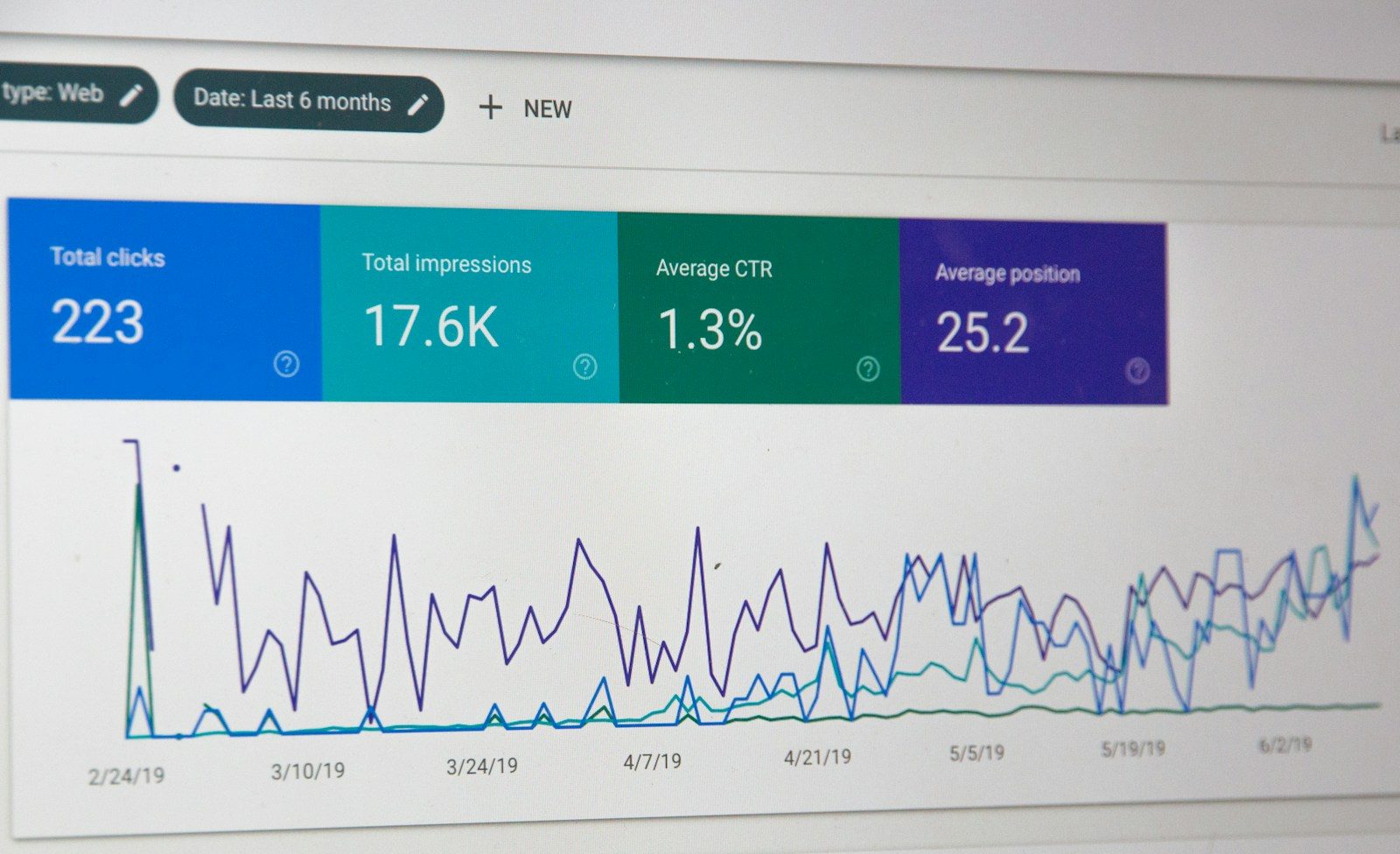
monitor screengrab

Launching a new website is often treated as a major milestone. The design looks fresh, the pages are live and the business finally has an online presence that reflects its ambitions. Yet months later, the website may look almost exactly as it did on launch day, despite changes in the business, customer expectations and the wider search landscape.

That lack of development can become a problem. Search engine optimisation isn’t a one-off task completed when a website goes live. It requires ongoing attention to ensure that the site remains useful, relevant and competitive.

Search Intent Doesn’t Stand Still

The way people search for products and services changes over time. New terminology emerges, customer priorities shift and competitors introduce different offerings. A page that once answered a searcher’s question effectively may no longer address what people want to know.

Regular content reviews help identify these gaps. Look at the search queries bringing visitors to your website, examine which pages are gaining or losing visibility, and consider whether your existing content still answers the questions potential customers are asking.

This doesn’t mean publishing new articles simply to keep a blog active. Updating an existing service page, expanding an incomplete explanation or removing outdated advice may provide more value than adding another generic post to the archive.

Small Technical Issues Can Accumulate

A website can appear perfectly functional to a visitor while developing problems behind the scenes. Broken internal links, redirect chains, duplicate pages and slow-loading resources can gradually undermine the user experience and complicate search engine crawling.

Changes made by developers, plugin updates and new content additions can all introduce issues. Without periodic checks, these problems may go unnoticed until rankings or enquiries begin to suffer.

Technical SEO audits help uncover potential obstacles before they become more significant. Reviewing indexation, internal linking, mobile usability and page performance provides a practical starting point for prioritising improvements. Not every issue will have the same impact, so fixes should be guided by evidence and business priorities rather than a checklist alone.

Your Competitors Aren’t Standing Still

Even if your website hasn’t changed, the search results around it may have. Competitors could be publishing more useful resources, improving their service pages or earning relevant links from reputable websites. Search engines continually reassess which pages best satisfy a particular query, meaning yesterday’s strong position isn’t guaranteed tomorrow.

Competitor analysis can reveal opportunities you may have overlooked. Perhaps another business explains a complex service more clearly, answers common objections or provides supporting information that your own website lacks.

The goal isn’t to copy competing websites. It’s to understand what customers are being offered elsewhere and identify how your business can provide something more useful, distinctive or convincing.

Build SEO Maintenance into Your Marketing Plan

An effective SEO strategy combines regular monitoring with planned improvements. Monthly performance reviews, periodic technical audits and scheduled content updates can help keep your website aligned with your commercial goals.

It’s also important to measure the right outcomes. Rankings and organic traffic offer useful indicators, but qualified enquiries, sales and revenue provide a stronger picture of whether your SEO activity is contributing to business growth.

A website shouldn’t need rebuilding every year to remain competitive. With consistent maintenance and a willingness to improve underperforming areas, it can continue to support your business long after launch day. The key is to treat it as an evolving marketing asset rather than a finished project.

Photo by Stephen Phillips.

Mastering the Art of Website Marketing: A Comprehensive Guide

With the surge in digital technology and increasing global internet usage, businesses must seize the opportunity to capitalize on the power of website marketing. This article breaks down the kaleidoscope of tactics and methods to at first, get you familiar with the intricacies of website marketing, and then help you master it.

Exploring the Potential of High-Impact Website Marketing Strategies

The potential of website marketing largely depends on the effectiveness of the strategies deployed. Tactics such as Search Engine Optimization (SEO), content creation, brand awareness campaigns, and paid advertisements can significantly influence the website’s reach and effectiveness.

Boosting Business Growth with Effective Website Marketing

Website marketing is not just an online strategy; it’s a business growth strategy. By leveraging tactics such as SEO, social media marketing, and email marketing, businesses can significantly boost their reach and conversion rates, thereby contributing to their bottom line.

Transform Your Sales: Innovative Ideas for Website Marketing

Creativity and innovation are at the heart of any successful website marketing strategy. Leveraging interactive content, video marketing, and influencer partnerships can significantly amplify your brand’s online presence and drive sales.

Website Marketing: The Ultimate Key to Business Success

With the shift in consumer behavior towards online shopping, having a robust website marketing strategy is crucial for business success. A well-optimized website can drastically enhance brand visibility, fostering trust with consumers, and eventually leading to increased sales.

Conclusion

Website marketing is an intricate and ever-evolving field. Hence, it’s crucial to stay updated with the latest trends and continually optimize your strategies to stay ahead in the game. By leveraging the right tactics, businesses can significantly enhance their online presence, attract more leads, and boost conversions, thereby leading to increased profits and business growth.

How a Team of Bedford Accountants Are Using Video to Double Their Client Base

Gone are the days when accountants could rely solely on word-of-mouth referrals and traditional advertising to grow their practice. In today’s digital landscape, one forward-thinking firm is proving that creativity pays dividends. Meet the team at Hartwell & Associates, a group of Bedford accountants who’ve cracked the code on video marketing – and the results are nothing short of remarkable.

Over the past eighteen months, this innovative practice has doubled their client roster, with 70% of new enquiries coming directly from their video content. But how exactly are they doing it?

The Video Revolution in Accountancy

Breaking Down Complex Concepts

Sarah Hartwell, the firm’s managing partner, stumbled upon the idea during lockdown when clients were struggling to understand the government’s ever-changing support schemes. Rather than fielding the same questions repeatedly over the phone, she decided to create short, snappy videos explaining everything from furlough calculations to VAT deferrals.

“I was absolutely terrified at first,” Sarah admits. “The thought of being on camera made me feel quite queasy, but our clients’ response was incredible. Within days, we were getting calls from people we’d never met, all because they’d watched our videos online.”

The team quickly realised they were onto something special. Their first video, a five-minute explanation of Making Tax Digital, garnered over 2,000 views within a week and generated twelve new client enquiries.

Finding Their Voice

What started as pandemic necessity has evolved into a sophisticated content strategy. The team now produces three videos weekly, covering everything from tax-saving tips to business planning advice. Each video is carefully crafted to address real client concerns whilst showcasing the team’s expertise and approachable personality.

Junior partner Tom Mitchell handles much of the technical side. “We’re not trying to be the next Hollywood blockbuster,” he laughs. “Our videos are shot on a smartphone with decent lighting, and we edit them using free software. It’s all about being authentic and helpful rather than polished and perfect.”

The Numbers Don’t Lie

The impact has been transformative. In 2023, Hartwell & Associates welcomed 89 new clients – a 112% increase from the previous year. Their YouTube channel now boasts over 5,000 subscribers, whilst their LinkedIn videos regularly receive hundreds of shares.

More importantly, the quality of enquiries has improved dramatically. “People come to us already understanding our approach and personality,” explains Sarah. “They’ve seen us explain complex topics in simple terms, so they trust us before we’ve even met.”

Beyond Client Acquisition

The benefits extend far beyond new business. Existing clients report feeling more informed and confident about their financial decisions. Staff morale has soared as team members see their expertise reaching and helping more people than ever before.

The practice has also attracted top talent, with two experienced accountants joining specifically because they were impressed by the firm’s innovative approach and online presence.

Lessons for Other Practices

Start Simple, Think Big

The Hartwell team’s advice for other accountants considering video marketing? Start small and be consistent.

“You don’t need expensive equipment or a massive budget,” Tom emphasises. “Begin with one video per month addressing your clients’ most common questions. As you get comfortable, you can expand from there.”

They recommend focusing on evergreen content initially – topics that remain relevant year-round rather than time-sensitive updates.

Embrace Your Personality

Perhaps most importantly, the team stresses the importance of being genuine. “Clients don’t want to work with robots,” Sarah notes. “They want to see the real people behind the practice. Don’t be afraid to show your personality – it’s what sets you apart from the competition.”

The Future is Bright

As Hartwell & Associates continue to grow, they’re exploring new video formats including client testimonials, behind-the-scenes content, and live Q&A sessions. Their success story proves that with creativity, consistency, and courage, even traditional professions can thrive in the digital age.

The message is clear: in today’s competitive market, those who embrace change and connect with their audience in meaningful ways will be the ones who prosper.