Archives October 2026

Why Local Tech Resilience Matters More Than “Smart City” Hype

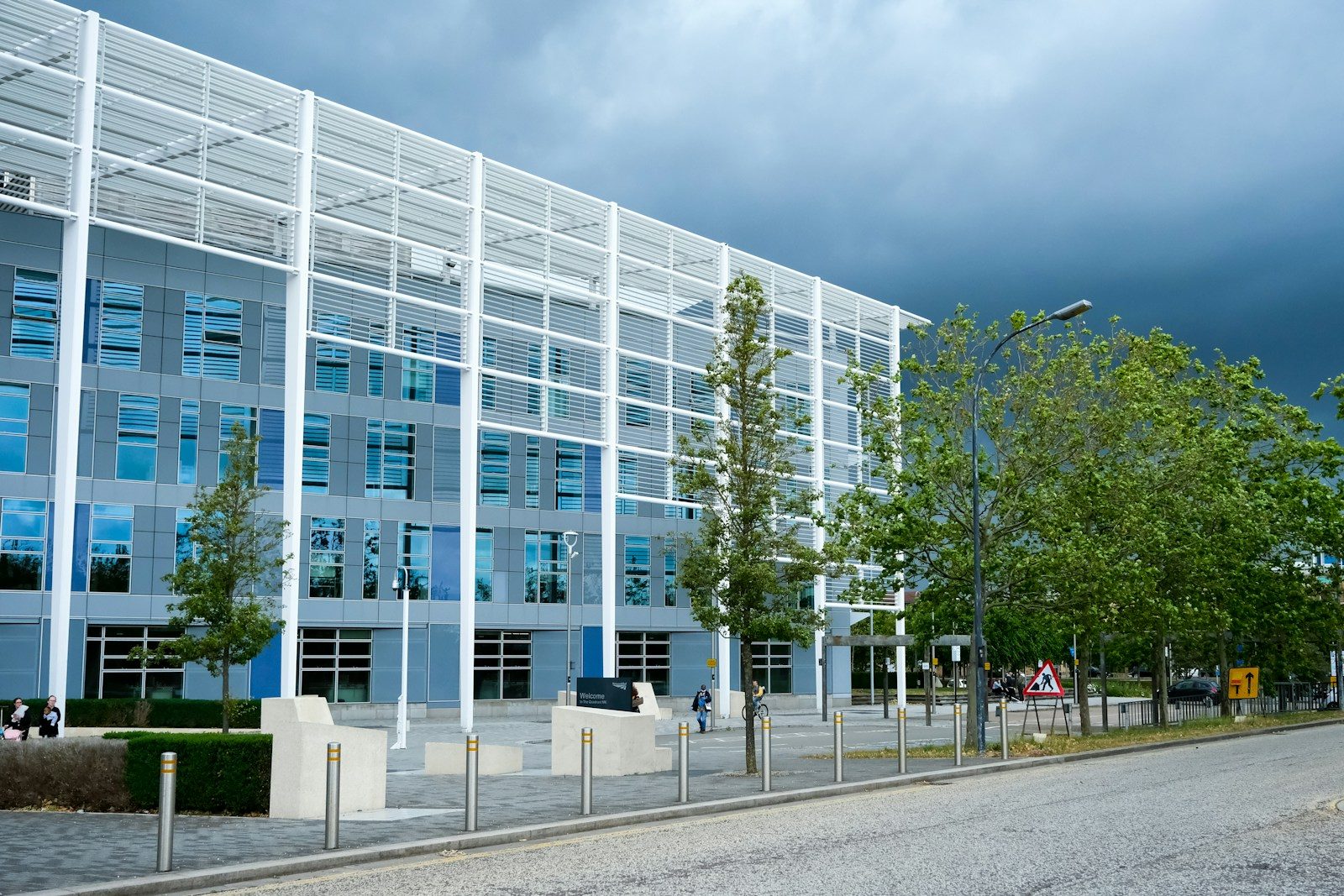
white and blue glass building

Milton Keynes is often described as a test lab for the future: grid roads, logistics hubs, electric vehicles, sensors and sprawling business parks. That image is useful up to a point, but it can also obscure the less glamorous systems that keep a town running. Behind every eye-catching innovation, ordinary technology does the heavy lifting: phones routing calls properly, laptops connecting at the first attempt, shared files still there on a Tuesday morning.

That matters because modern local economies rarely fail in dramatic, science-fiction style. They falter through smaller interruptions. A dental practice loses access to records. A warehouse cannot print dispatch labels. A charity’s ageing PCs slow everything to a crawl. A café’s card machine drops out just before the lunch rush. None of this makes headlines, yet all of it shapes whether a place feels efficient, frustrating or quietly dependable.

Seen that way, discussions around IT support Milton Keynes are as much about civic texture as business convenience. Good support forms part of the invisible scaffolding of daily life, especially in places where small firms, public-facing services and busy supply chains overlap. It is not glamorous, but most things that make a town function well are not.

The invisible layer people notice only when it breaks

People tend to treat technology support as a back-room concern. In practice, it has a public effect.

  • Reliable systems mean shorter queues and fewer delays.
  • Secure networks protect customer and patient trust.
  • Quick fixes stop small organisations losing whole days.

That may be the more interesting story in Milton Keynes now. Not whether a place looks futuristic, but whether its everyday infrastructure is resilient enough to support ordinary people. That is a better measure of a modern town than any amount of hype.

Photo by Magda Vrabetz.
Why Local Search Still Shapes the High Street in Towns Like Banbury

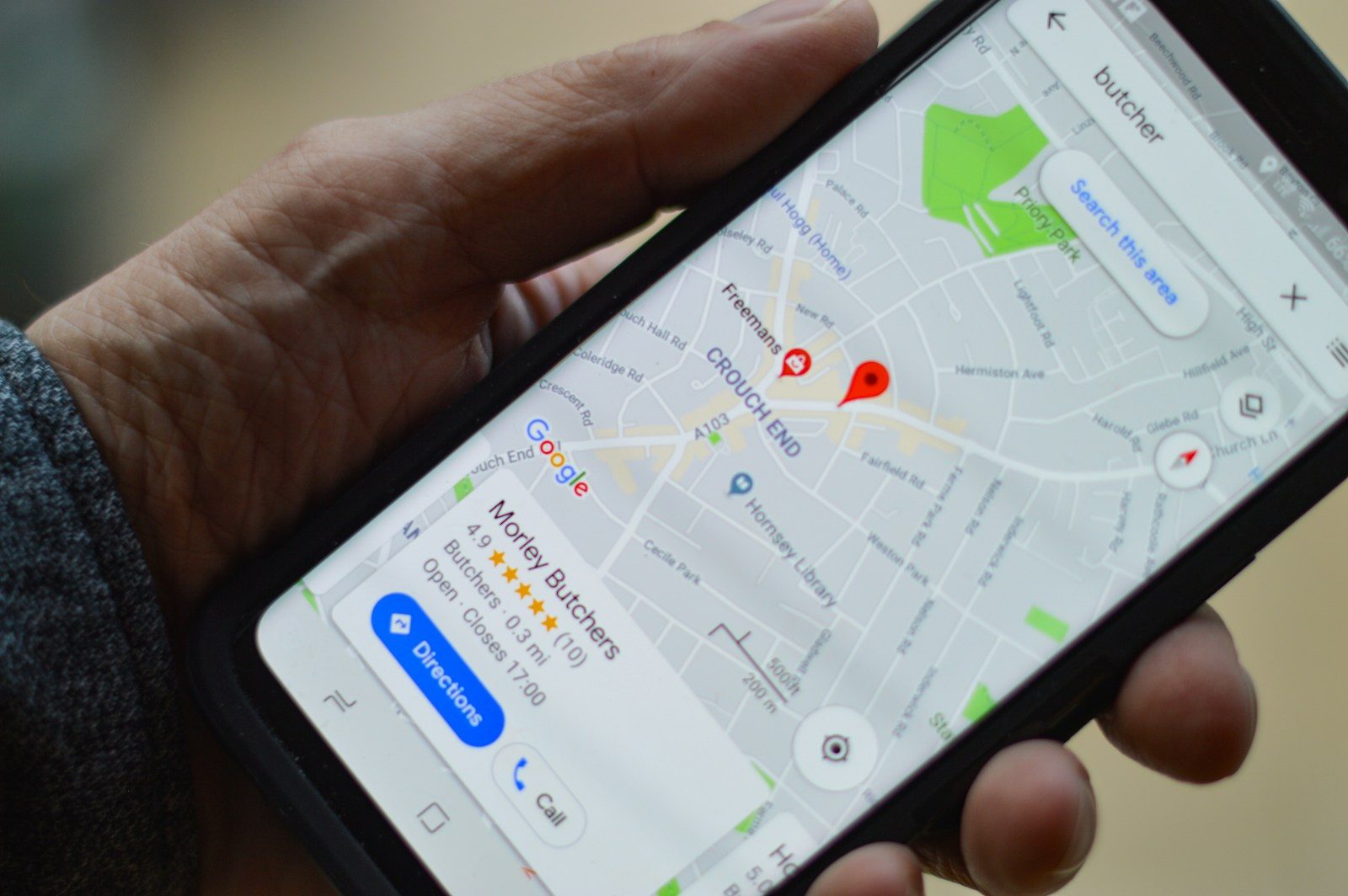
person holding black smartphone

People talk a lot about the death of the high street, usually with gloomy photos of shuttered units and familiar complaints about online shopping. But that version of events misses something in places like Banbury: people still want local businesses, they just expect to find them in different ways. A first impression no longer comes from a shop window. More often, it comes from a map result, a review score, or a short list on a phone screen while someone stands a few streets away.

That shift matters because it changes who gets seen. A good butcher, accountant, florist or café may have loyal regulars, but new custom now depends more heavily on showing up where people are already searching. In smaller market towns, that can mean the difference between steady trade and being quietly passed over, even when the business itself is doing everything right offline.

Local search stops being a technical niche at that point and starts to look more like a civic issue. When people search for services in or around town, they often trust the names near the top without giving much thought to why they appear there. Anyone curious about how that works in practice can get a feel for it through SEO Banbury, which points to the wider question of how local firms compete for attention online.

Why it matters beyond marketing

Better local visibility is not just about business owners chasing clicks. It also affects how money moves around a town. When residents can quickly find an independent shop or nearby service, they are more likely to spend locally instead of defaulting to a national chain.

  • It helps newer businesses get found.
  • It gives established firms a fairer online presence.
  • It makes local choice easier for residents.

In that sense, search visibility is now part of the infrastructure of local commerce. Banbury is not unique, but it shows clearly how digital habits shape town centres in the real world. Businesses that understand that are not abandoning the high street. They are adapting to the way people use it now.

Photo by henry perks.