Why Local Tech Resilience Matters More Than “Smart City” Hype

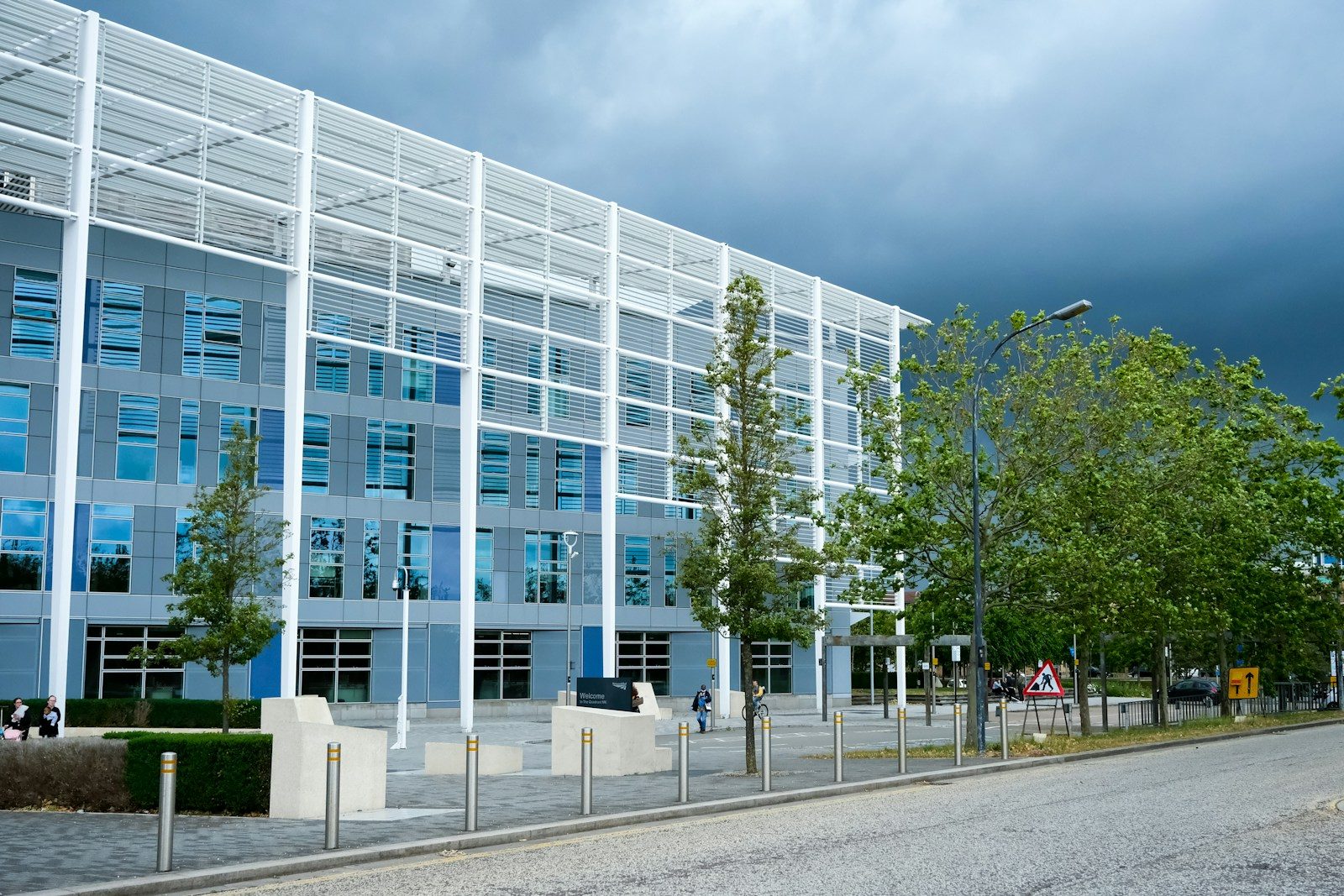
white and blue glass building

Milton Keynes is often described as a test lab for the future: grid roads, logistics hubs, electric vehicles, sensors and sprawling business parks. That image is useful up to a point, but it can also obscure the less glamorous systems that keep a town running. Behind every eye-catching innovation, ordinary technology does the heavy lifting: phones routing calls properly, laptops connecting at the first attempt, shared files still there on a Tuesday morning.

That matters because modern local economies rarely fail in dramatic, science-fiction style. They falter through smaller interruptions. A dental practice loses access to records. A warehouse cannot print dispatch labels. A charity’s ageing PCs slow everything to a crawl. A café’s card machine drops out just before the lunch rush. None of this makes headlines, yet all of it shapes whether a place feels efficient, frustrating or quietly dependable.

Seen that way, discussions around IT support Milton Keynes are as much about civic texture as business convenience. Good support forms part of the invisible scaffolding of daily life, especially in places where small firms, public-facing services and busy supply chains overlap. It is not glamorous, but most things that make a town function well are not.

The invisible layer people notice only when it breaks

People tend to treat technology support as a back-room concern. In practice, it has a public effect.

  • Reliable systems mean shorter queues and fewer delays.
  • Secure networks protect customer and patient trust.
  • Quick fixes stop small organisations losing whole days.

That may be the more interesting story in Milton Keynes now. Not whether a place looks futuristic, but whether its everyday infrastructure is resilient enough to support ordinary people. That is a better measure of a modern town than any amount of hype.

Photo by Magda Vrabetz.
Why Local Search Still Shapes the High Street in Towns Like Banbury

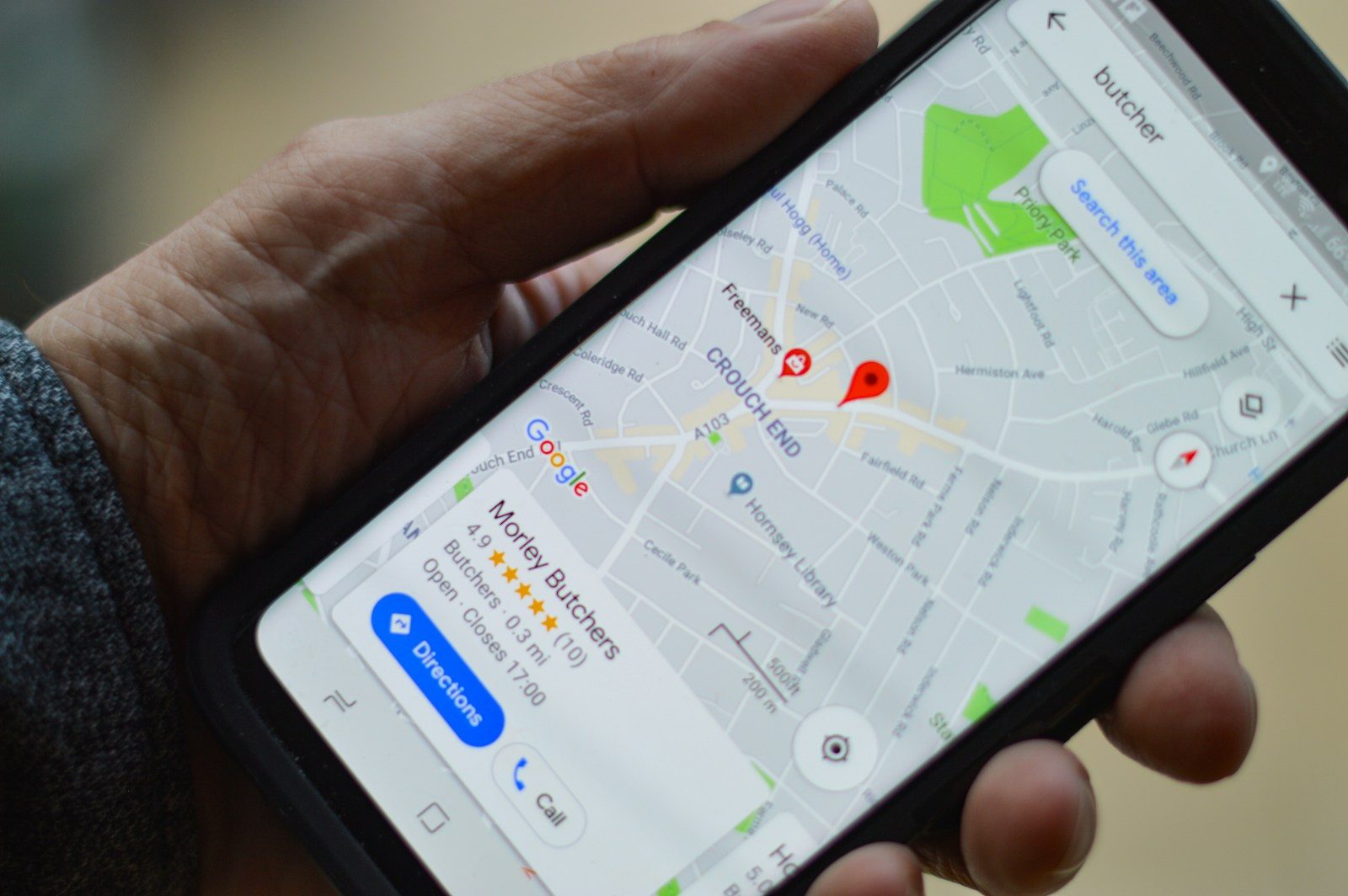
person holding black smartphone

People talk a lot about the death of the high street, usually with gloomy photos of shuttered units and familiar complaints about online shopping. But that version of events misses something in places like Banbury: people still want local businesses, they just expect to find them in different ways. A first impression no longer comes from a shop window. More often, it comes from a map result, a review score, or a short list on a phone screen while someone stands a few streets away.

That shift matters because it changes who gets seen. A good butcher, accountant, florist or café may have loyal regulars, but new custom now depends more heavily on showing up where people are already searching. In smaller market towns, that can mean the difference between steady trade and being quietly passed over, even when the business itself is doing everything right offline.

Local search stops being a technical niche at that point and starts to look more like a civic issue. When people search for services in or around town, they often trust the names near the top without giving much thought to why they appear there. Anyone curious about how that works in practice can get a feel for it through SEO Banbury, which points to the wider question of how local firms compete for attention online.

Why it matters beyond marketing

Better local visibility is not just about business owners chasing clicks. It also affects how money moves around a town. When residents can quickly find an independent shop or nearby service, they are more likely to spend locally instead of defaulting to a national chain.

  • It helps newer businesses get found.
  • It gives established firms a fairer online presence.
  • It makes local choice easier for residents.

In that sense, search visibility is now part of the infrastructure of local commerce. Banbury is not unique, but it shows clearly how digital habits shape town centres in the real world. Businesses that understand that are not abandoning the high street. They are adapting to the way people use it now.

Photo by henry perks.

Why Your Website Traffic Is Growing but Your Enquiries Aren’t

Person working on a laptop at a desk

More visitors should mean more business, shouldn’t it? Not necessarily. A website can attract thousands of visitors every month without generating a meaningful number of enquiries, sales or new customers. When traffic figures look healthy but conversions remain disappointing, the problem may have less to do with attracting people and more to do with what happens when they arrive.

Traffic Is Only Half the Story

Digital marketing reports often focus heavily on clicks, impressions and visitor numbers. These metrics have their place, but they don’t tell the whole story. Someone who lands on your website after searching for a specific service is likely to have a different level of intent from someone who clicks through out of curiosity.

Understanding the difference matters. If your website attracts visitors who aren’t a good fit for your business, increasing traffic may simply mean spending more money to reach the wrong audience. Reviewing search terms, landing pages and referral sources can help identify whether your marketing is attracting potential customers or merely generating activity.

Where Are Potential Customers Dropping Off?

Sometimes, the issue becomes apparent once you look beyond the initial visit. A visitor might arrive on the right page but struggle to find the information they need. Your services may be described in vague terms, pricing expectations might be unclear, or the next step may not be obvious.

Even small obstacles can make a difference. Consider whether your contact forms ask for too much information, whether your website works smoothly on mobile devices and whether your calls to action give people a clear reason to get in touch. If visitors have to work hard to understand what you offer, they may simply leave and try a competitor.

Analytics tools can help pinpoint where people abandon the journey, while heatmaps and session recordings can reveal how visitors interact with important pages. Used together, these insights can provide a much clearer picture of what’s preventing conversions.

Make Every Visit Work Harder

Improving conversion rates doesn’t always require a complete website redesign. Sometimes, a more compelling headline, clearer service descriptions or a simpler enquiry process can make a noticeable difference. The important thing is to identify the underlying problem before making changes.

A structured approach to conversion rate optimisation allows you to test improvements, measure their impact and refine your website based on evidence rather than guesswork. This also helps you get more value from existing marketing activity, rather than relying on an ever-increasing advertising budget to deliver results.

Connect Your Marketing to Business Outcomes

Your website should do more than attract attention. It should help turn relevant visitors into genuine opportunities for growth. By looking at the relationship between traffic quality, user experience and conversion rates, businesses can make better-informed decisions about where to invest their marketing budgets.

The most useful digital marketing reports don’t simply show how many people visited your website. They help explain what those people did, where opportunities were lost and what you can do to improve the outcome.

Photo by Gabriel Weyand.