Launching a new website is often treated as a major milestone. The design looks fresh, the pages are live and the business finally has an online presence that reflects its ambitions. Yet months later, the website may look almost exactly as it did on launch day, despite changes in the business, customer expectations and the wider search landscape.
That lack of development can become a problem. Search engine optimisation isn’t a one-off task completed when a website goes live. It requires ongoing attention to ensure that the site remains useful, relevant and competitive.
Search Intent Doesn’t Stand Still
The way people search for products and services changes over time. New terminology emerges, customer priorities shift and competitors introduce different offerings. A page that once answered a searcher’s question effectively may no longer address what people want to know.
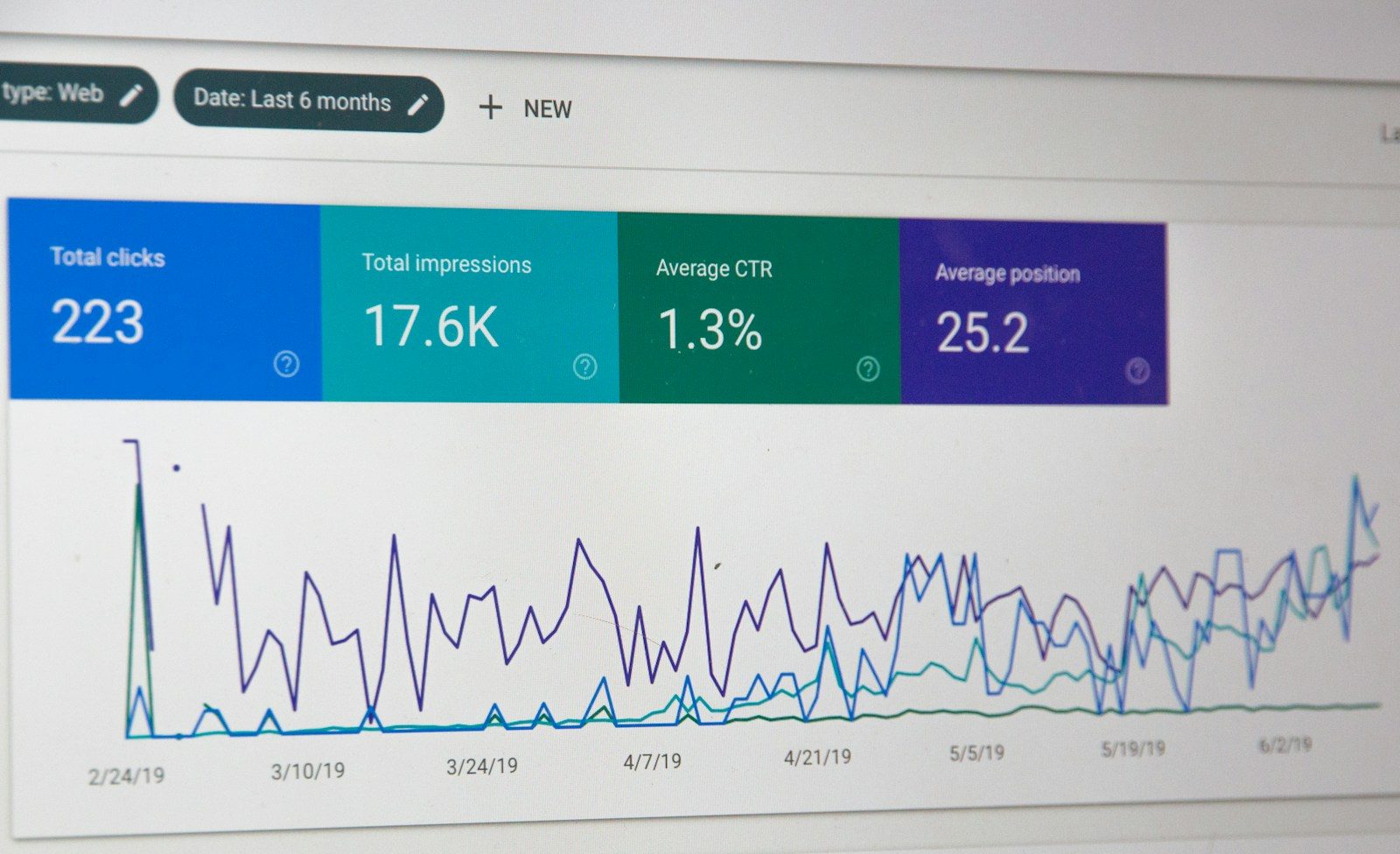
Regular content reviews help identify these gaps. Look at the search queries bringing visitors to your website, examine which pages are gaining or losing visibility, and consider whether your existing content still answers the questions potential customers are asking.
This doesn’t mean publishing new articles simply to keep a blog active. Updating an existing service page, expanding an incomplete explanation or removing outdated advice may provide more value than adding another generic post to the archive.
Small Technical Issues Can Accumulate
A website can appear perfectly functional to a visitor while developing problems behind the scenes. Broken internal links, redirect chains, duplicate pages and slow-loading resources can gradually undermine the user experience and complicate search engine crawling.
Changes made by developers, plugin updates and new content additions can all introduce issues. Without periodic checks, these problems may go unnoticed until rankings or enquiries begin to suffer.
Technical SEO audits help uncover potential obstacles before they become more significant. Reviewing indexation, internal linking, mobile usability and page performance provides a practical starting point for prioritising improvements. Not every issue will have the same impact, so fixes should be guided by evidence and business priorities rather than a checklist alone.
Your Competitors Aren’t Standing Still
Even if your website hasn’t changed, the search results around it may have. Competitors could be publishing more useful resources, improving their service pages or earning relevant links from reputable websites. Search engines continually reassess which pages best satisfy a particular query, meaning yesterday’s strong position isn’t guaranteed tomorrow.
Competitor analysis can reveal opportunities you may have overlooked. Perhaps another business explains a complex service more clearly, answers common objections or provides supporting information that your own website lacks.
The goal isn’t to copy competing websites. It’s to understand what customers are being offered elsewhere and identify how your business can provide something more useful, distinctive or convincing.
Build SEO Maintenance into Your Marketing Plan
An effective SEO strategy combines regular monitoring with planned improvements. Monthly performance reviews, periodic technical audits and scheduled content updates can help keep your website aligned with your commercial goals.
It’s also important to measure the right outcomes. Rankings and organic traffic offer useful indicators, but qualified enquiries, sales and revenue provide a stronger picture of whether your SEO activity is contributing to business growth.
A website shouldn’t need rebuilding every year to remain competitive. With consistent maintenance and a willingness to improve underperforming areas, it can continue to support your business long after launch day. The key is to treat it as an evolving marketing asset rather than a finished project.
Photo by Stephen Phillips.