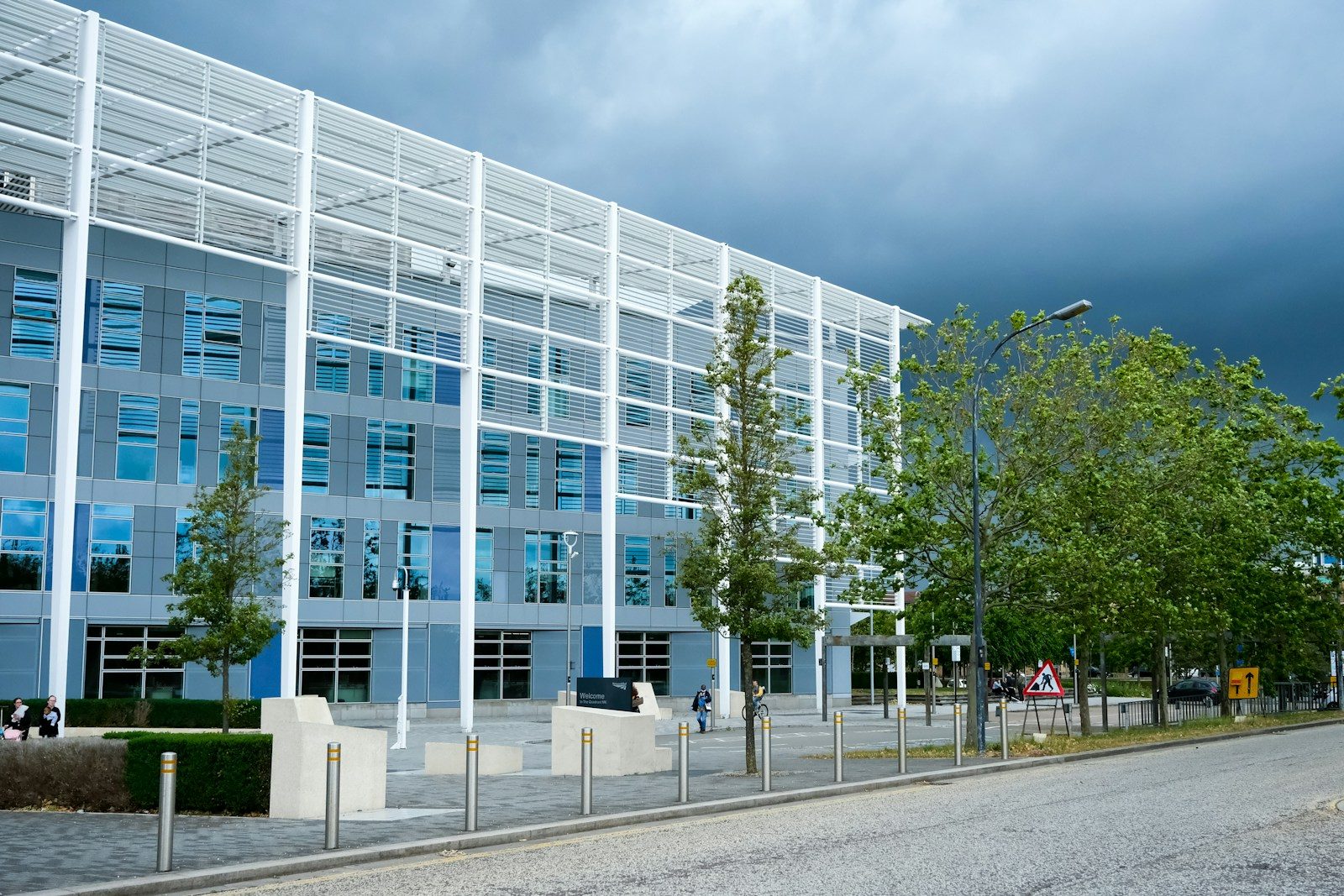
Milton Keynes is often described as a test lab for the future: grid roads, logistics hubs, electric vehicles, sensors and sprawling business parks. That image is useful up to a point, but it can also obscure the less glamorous systems that keep a town running. Behind every eye-catching innovation, ordinary technology does the heavy lifting: phones routing calls properly, laptops connecting at the first attempt, shared files still there on a Tuesday morning.
That matters because modern local economies rarely fail in dramatic, science-fiction style. They falter through smaller interruptions. A dental practice loses access to records. A warehouse cannot print dispatch labels. A charity’s ageing PCs slow everything to a crawl. A café’s card machine drops out just before the lunch rush. None of this makes headlines, yet all of it shapes whether a place feels efficient, frustrating or quietly dependable.
Seen that way, discussions around IT support Milton Keynes are as much about civic texture as business convenience. Good support forms part of the invisible scaffolding of daily life, especially in places where small firms, public-facing services and busy supply chains overlap. It is not glamorous, but most things that make a town function well are not.
The invisible layer people notice only when it breaks
People tend to treat technology support as a back-room concern. In practice, it has a public effect.
- Reliable systems mean shorter queues and fewer delays.
- Secure networks protect customer and patient trust.
- Quick fixes stop small organisations losing whole days.
That may be the more interesting story in Milton Keynes now. Not whether a place looks futuristic, but whether its everyday infrastructure is resilient enough to support ordinary people. That is a better measure of a modern town than any amount of hype.
Photo by Magda Vrabetz.